
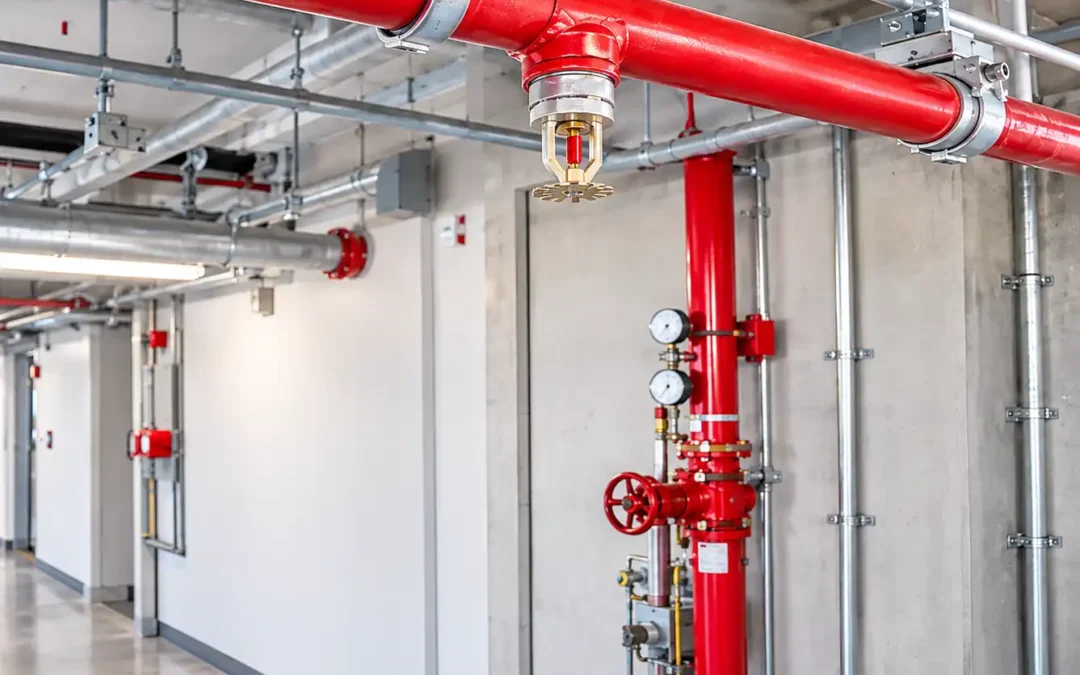
A fire sprinkler system can often be overlooked when it is functioning properly. However, maintaining its reliability and ensuring it remains operational requires ongoing attention and oversight. Routine inspections must be completed in accordance with applicable requirements, necessary repairs must be addressed promptly, maintenance records must be properly maintained, and modifications to tenant spaces must be carefully evaluated to ensure they do not compromise the system’s effectiveness.
For property managers, fulfilling these responsibilities does not require becoming a fire protection expert. Rather, it involves understanding the fundamentals of the automatic fire sprinkler system, recognizing potential issues, ensuring required inspections and maintenance are completed on schedule, and engaging qualified professionals when necessary. Developing this practical knowledge can help property managers oversee fire protection responsibilities more effectively, support regulatory compliance, and maintain a safer environment for the building, its occupants, and daily operations.
How Automatic Fire Sprinkler Systems Work
An automatic fire sprinkler system consists of more than the sprinkler heads visible on the ceiling. It is an integrated network of components, including piping, control valves, alarms, pressure gauges, water supplies, and fire pumps, all of which work together to help control a fire and limit its spread.
A common misconception is that all sprinkler heads activate simultaneously when a fire occurs. In most automatic sprinkler systems, each sprinkler head operates independently in response to sufficient heat. This allows water to be discharged in the area where the fire is detected, rather than throughout the entire building, helping to control the fire while minimizing unnecessary water discharge.
The selection of an automatic fire sprinkler system depends on several factors, including building occupancy, the nature of potential fire hazards, and environmental conditions. Understanding the different system types can help property managers better oversee inspection, testing, maintenance, and overall system performance.
– Wet Pipe Systems: The most common type of automatic sprinkler system in commercial buildings. The piping remains filled with water, allowing water to discharge promptly when a sprinkler head activates.
– Dry Pipe Systems: These systems use pressurized air or nitrogen within the piping rather than maintaining a constant water supply in the pipes. They are commonly installed in areas subject to freezing temperatures, such as certain parking garages, loading areas, and unheated spaces.
– Pre-Action Systems: These systems incorporate an additional detection or activation step before water enters the sprinkler piping, depending on the system design. They are often used in data centers, archives, and other facilities where unintended water discharge could damage sensitive equipment or valuable assets.
– Deluge Systems: These systems use open sprinkler heads or nozzles connected to piping that releases water when the system’s detection and activation mechanisms operate. They are typically installed in high-hazard environments, including certain industrial facilities and chemical processing plants, where rapid application of water over a designated area may be necessary.
Property managers do not need to master every technical aspect of these systems. However, identifying the type installed in their building is essential, as system design influences inspection and testing requirements, maintenance procedures, and the specific issues that require attention. This knowledge supports more effective coordination with qualified fire protection professionals and helps ensure that the system remains ready to perform as intended.
Property Managers’ Responsibilities for Fire Sprinkler System Compliance
Maintaining a compliant and fully operational fire sprinkler system requires ongoing oversight, proactive maintenance, and adherence to applicable fire safety regulations.
The National Fire Protection Association’s NFPA 25 establishes standards for the inspection, testing, and maintenance (ITM) of water-based fire protection systems. Under these standards, responsibility for ensuring compliance rests with the property owner or designated representative, which often includes property management.
While qualified fire protection professionals can perform the required inspections, testing, maintenance, and repairs, property managers remain responsible for ensuring these activities are properly scheduled, completed, and documented.
Managing Inspections, Maintenance, and Documentation
Effective sprinkler system management requires a structured approach to compliance, including:
- Scheduled Inspections and Testing: Ensuring all required ITM activities are completed at the appropriate intervals in accordance with applicable codes and regulations.
- Documentation and Recordkeeping: Maintaining accurate, accessible records of inspections, testing, maintenance, repairs, and corrective actions.
- Deficiency Management: Promptly addressing identified deficiencies and ensuring corrective actions are completed and documented.
- Emergency Preparedness: Establishing procedures for responding to system impairments, equipment failures, and other conditions that may compromise fire protection.
All specialized sprinkler system repairs and maintenance should be performed by appropriately qualified personnel. Establishing a relationship with an experienced fire protection provider helps ensure timely response, continuity of service, and consistent compliance oversight.
Monitoring Building Modifications and System Accessibility
Fire sprinkler system performance depends not only on the condition of its components but also on the environment in which the system operates.
Property managers must ensure that sprinkler heads, valves, and other critical components remain accessible and free from obstructions. Changes involving tenant improvements, storage configurations, ceiling installations, or space reconfigurations should also be evaluated for their potential impact on sprinkler coverage and system effectiveness.
This is particularly important in commercial properties where frequent tenant turnover, renovations, and operational changes can affect the building’s original fire protection design.
Ultimately, the property manager’s role is to ensure that fire protection compliance is consistently maintained, documented, and verified. Partnering with qualified fire protection professionals allows property management teams to fulfill these responsibilities while minimizing operational burdens and compliance risks.
Fire Sprinkler Inspections, Testing, and Maintenance: Understanding the Requirements
Fire sprinkler compliance involves three distinct but interconnected activities, collectively referred to as Inspection, Testing, and Maintenance (ITM):
- Inspection: A visual examination of the system and its components to identify conditions that may affect performance or compliance.
- Testing: Procedures performed to verify that system components function as intended.
- Maintenance: Activities necessary to preserve or restore equipment to proper operating condition.
NFPA 25 establishes ITM requirements for water-based fire protection systems, including wet pipe, dry pipe, pre-action, deluge, and other specialized systems.
Importantly, compliance extends well beyond an annual inspection. Depending on the system type and individual components, required activities may occur monthly, quarterly, semiannually, annually, every five years, or at other prescribed intervals.
Establishing the Appropriate Inspection Schedule
Inspection and testing frequencies vary based on several factors:
- The type and configuration of the fire protection system.
- The specific components and equipment installed.
- Applicable NFPA standards and locally adopted fire codes.
- Requirements established by the Authority Having Jurisdiction (AHJ).
- Additional inspection or documentation requirements imposed by insurance carriers.
For property managers, maintaining a building-specific ITM schedule is essential to ensuring that required activities are completed on time and that potential compliance gaps are identified before they become violations or operational risks.
Additional Compliance Considerations for New York City Properties
New York City imposes additional fire protection requirements that property managers must incorporate into their compliance programs.
Under the NYC Fire Code, sprinkler and standpipe systems are generally subject to monthly visual inspections conducted by personnel holding the appropriate FDNY Certificate of Fitness.
Required periodic testing and maintenance must also be performed by appropriately qualified personnel, with records maintained in accordance with applicable regulations. Identified deficiencies, impairments, and violations must be documented and addressed within the required timeframes.
New York City also requires periodic five-year testing of applicable fire department connections, including hydrostatic testing where mandated by the governing code.
For properties outside New York City, requirements may differ based on local codes and the Authority Having Jurisdiction.
Common Fire Sprinkler System Issues Property Managers Should Monitor
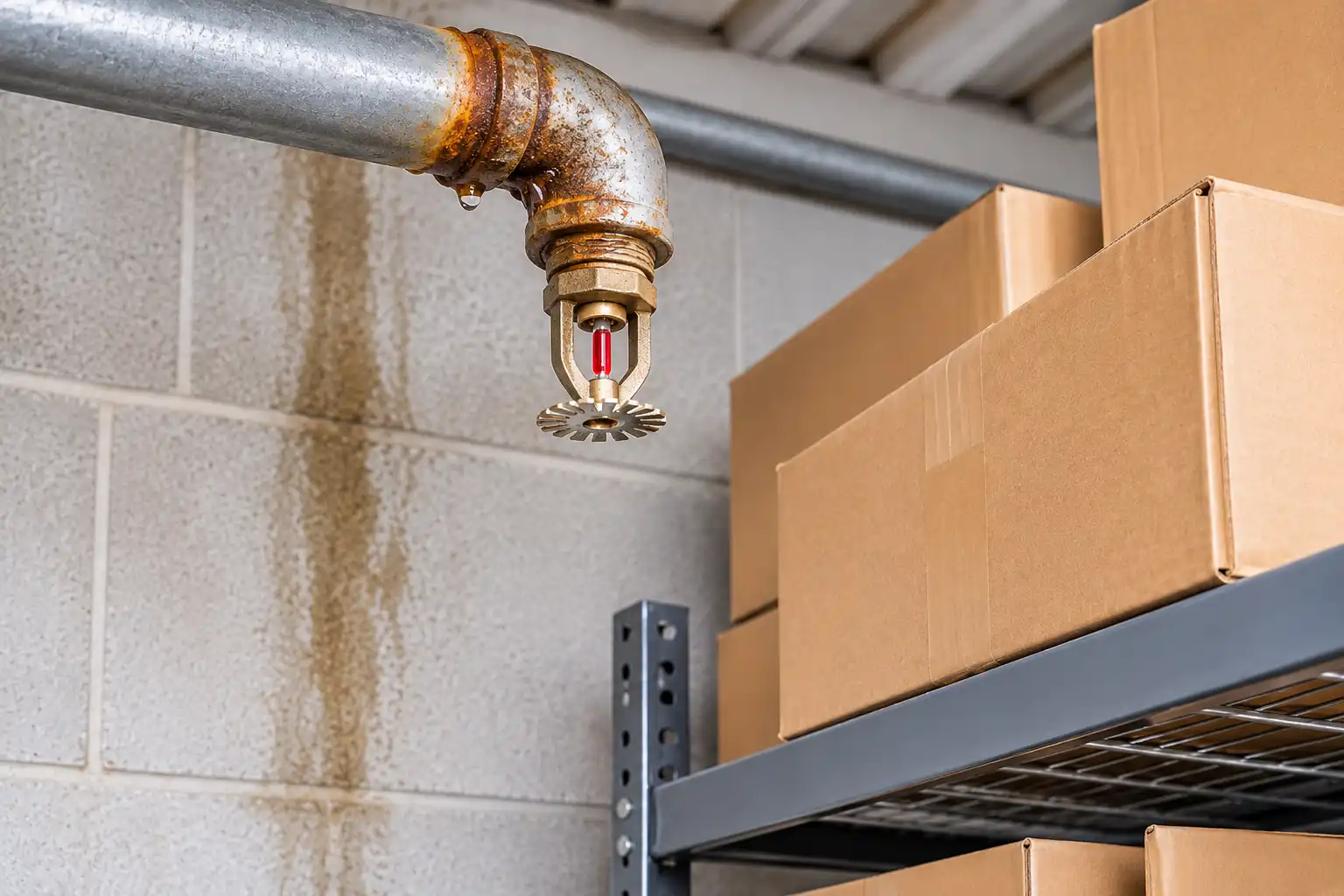
While property managers are not expected to perform technical sprinkler inspections, recognizing visible signs of potential problems between scheduled inspections can help prevent minor deficiencies from developing into costly repairs or significant life safety risks.
Common issues to watch for include:
- Leaks, dripping pipes, or unexplained water damage
- Corrosion on sprinkler piping or other system components
- Damaged, painted, or otherwise compromised sprinkler heads
- Control valves that are closed or improperly positioned
- Abnormal pressure gauge readings
- Missing, damaged, or illegible system signage
- Storage or other obstructions that may interfere with sprinkler coverage
- Modifications to shelving, walls, ceilings, or tenant layouts that could affect system performance
- Piping in unheated areas that may be vulnerable to freezing
During routine property inspections, RAEL frequently identifies deficiencies such as closed control valves, damaged sprinkler heads, missing escutcheons, obstructed sprinkler coverage, and incomplete inspection documentation.
Maintaining Proper Sprinkler Clearance
Even a properly maintained sprinkler system can be compromised by inadequate clearance around sprinkler heads. Storage materials, inventory, and shelving positioned too close to sprinklers can obstruct water distribution and reduce the system’s effectiveness during a fire.
OSHA generally requires a minimum of 18 inches of vertical clearance between sprinkler deflectors and stored materials. However, specific sprinkler systems, storage configurations, and occupancy classifications may be subject to different clearance requirements.
For office buildings, distribution centers, and other commercial properties, maintaining unobstructed sprinkler coverage should be an ongoing operational priority. Any damaged, obstructed, or potentially compromised components should be reported promptly and evaluated by a qualified fire protection professional.
How Building Modifications Can Affect Sprinkler System Performance
Fire sprinkler systems are designed to provide protection based on a building’s specific layout, occupancy, and fire hazards. As properties undergo renovations, tenant improvements, or operational changes, modifications to the building environment can affect sprinkler coverage and overall system effectiveness.
Changes such as new partitions, ceiling modifications, increased storage heights, tenant fit-outs, equipment relocations, or changes in occupancy can introduce obstructions or alter the level of fire protection required.
Even relatively minor renovations may affect the original sprinkler system design and require adjustments to maintain compliance with applicable fire codes and standards.
Property managers should involve qualified fire protection professionals early in the planning process to evaluate potential impacts. An experienced provider can assess proposed modifications and, when necessary, coordinate system redesign, alterations, installation, or sprinkler head relocation to ensure the system continues to provide appropriate protection as the property evolves.
Understanding Fire Sprinkler System Impairments
A sprinkler system impairment occurs when all or part of the system is temporarily unable to provide its intended level of fire protection.
Impairments may result from closed control valves, damaged or frozen piping, fire pump failures, equipment malfunctions, or planned shutdowns necessary for maintenance, repairs, or system modifications.
Because an impaired system may leave a building with reduced fire protection, property managers must be prepared to respond promptly and follow established impairment management procedures.
Depending on the nature and duration of the impairment, as well as applicable local regulations, required actions may include notifying the appropriate authorities and affected parties, implementing temporary fire safety measures, coordinating emergency repairs, and verifying that the system has been fully restored to service.
The Importance of Accurate Compliance Documentation
Even a properly functioning sprinkler system can present compliance risks when required inspection, testing, and maintenance records are missing, incomplete, or difficult to access.
Comprehensive documentation provides a verifiable history of system maintenance, identifies outstanding deficiencies, and confirms that required corrective actions have been completed.
Property managers should maintain organized records that include:
- Inspection and testing reports
- Maintenance and repair records
- Deficiency reports and documentation of corrective actions
- Applicable certifications and compliance documentation
- System specifications and historical service records
These records should be accurate, current, and readily accessible for review by regulatory authorities, insurance representatives, and other authorized parties.
In New York City, the Fire Code establishes specific recordkeeping requirements for mandated inspections, testing, servicing, and maintenance activities.
A well-managed documentation program helps property managers identify recurring deficiencies, prevent missed service requirements, and demonstrate that required fire protection activities have been completed.
Simplify Fire Sprinkler System Management With RAEL
Managing fire sprinkler compliance across commercial and residential properties requires ongoing coordination of inspections, testing, maintenance, repairs, and regulatory requirements. Working with a comprehensive fire protection provider can help streamline these responsibilities while reducing the administrative burden on property management teams.
RAEL Fire Protection partners with commercial and residential property managers to provide comprehensive sprinkler and standpipe services throughout the life cycle of their systems. From routine inspections, testing, and preventive maintenance to repairs, system modifications, violation corrections, and emergency response, our experienced professionals help ensure that critical fire protection systems remain operational and compliant.
For organizations managing multiple properties, RAEL also provides nationwide fire protection services supported by centralized coordination, consistent service standards, and streamlined compliance oversight across their portfolios.
Simplify Fire Sprinkler Compliance With RAEL
Looking for a more efficient way to manage your property’s fire sprinkler inspection, testing, and maintenance requirements? Contact RAEL to schedule service or discuss a comprehensive fire protection maintenance program tailored to your property’s needs.
Frequently Asked Questions
What Types of Fire Sprinkler Systems Are Used in Commercial and Residential Buildings?
Commercial and residential properties may utilize wet pipe, dry pipe, pre-action, or deluge sprinkler systems. The appropriate system depends on several factors, including building occupancy, layout, fire hazards, environmental conditions, and applicable fire protection requirements.
How Does an Automatic Fire Suppression System Work?
Automatic fire suppression systems are designed to detect or respond to fire conditions and control or suppress a fire before it spreads. In most conventional sprinkler systems, individual sprinkler heads activate when exposed to sufficient heat, releasing water directly over the affected area. Other suppression systems may use different activation methods and extinguishing agents depending on the specific hazards being protected.
When Is Fire Sprinkler Repair Necessary?
Fire sprinkler repairs may be required when inspections or testing identify deficiencies such as leaks, corrosion, damaged sprinkler heads, malfunctioning control valves, or other conditions that could compromise system performance. Identified deficiencies should be evaluated and addressed promptly by qualified fire protection professionals to maintain system reliability and compliance.
Why Is Ongoing Fire Protection Maintenance Important?
Routine fire protection maintenance helps identify and address potential deficiencies, reduce the risk of unexpected system failures, and ensure that critical life safety equipment remains operational. A comprehensive maintenance program also supports regulatory compliance, minimizes potential disruptions, and helps property managers maintain accurate inspection and service records.
Recent Comments