
Warmer Weather Means More Tables—And More Risks
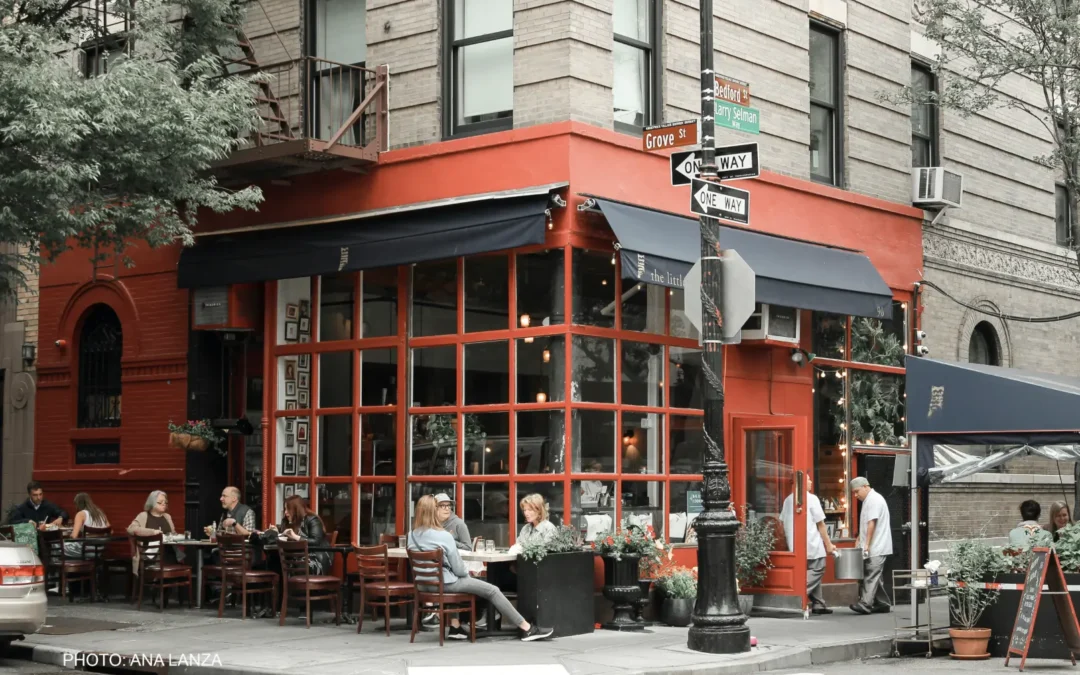
As temperatures rise in New York City, restaurant operators are preparing patios, sidewalk seating areas, and outdoor service spaces for another busy season.
But every year, the same thing happens: teams focus on menus, staffing, and customer experience while critical safety and compliance items quietly get overlooked.
Outdoor dining changes the way a restaurant operates. Temporary setups, added equipment, increased customer traffic, and higher kitchen demand can create hidden fire protection risks if they aren’t addressed early.
Peak season should bring more customers—not unexpected violations or emergency service calls.
Here are several areas restaurant operators commonly forget each Spring.
1. Outdoor Layout Changes Can Impact Exit Access
As tables, barriers, planters, and waiting areas are added, emergency pathways can unintentionally become obstructed.
Common issues include:
- Narrowed exit pathways
- Reduced clearance near exit doors
- Outdoor structures blocking visibility
- Crowded waiting areas near entrances
Small layout changes can create larger life safety concerns during emergencies.Before reopening outdoor spaces, walk the customer journey and confirm exits remain clearly visible and accessible.
2. Temporary Electrical Setups Create New Risks
Outdoor dining often introduces:
- Extension cords
- Decorative lighting
- Outdoor heating equipment
- Portable cooking stations
- Temporary power connections
Overloaded circuits and improvised electrical solutions become common during seasonal transitions. A quick setup can easily become a long-term installation. Temporary should not mean unmanaged.
3. Kitchen Demand Increases—And So Does Grease Accumulation
Outdoor seating increases customer capacity.
More customers often mean:
- More cooking volume
- Longer kitchen operating hours
- Increased grease production
- Additional strain on exhaust systems
Many operators forget that hoods, ducts, and pollution control systems experience heavier use during Spring and summer. Grease accumulation doesn’t just impact cleanliness—it increases fire risk.Peak season often arrives faster than maintenance schedules.
4. Fire Suppression Systems Need Attention Before Peak Season
Restaurant fire suppression systems frequently receive attention only after inspections or when deficiencies are discovered.
Spring is a smart time to confirm:
- Semi-annual inspections are current
- Suppression nozzles remain unobstructed
- System documentation is accessible
- Extinguishers are compliant and visible
- Deficiencies have been corrected
Minor issues found now are easier—and less disruptive—to resolve before peak operating periods begin.
5. Outdoor Changes Can Create Compliance Gaps Across Multiple Vendors
Restaurants often rely on different vendors for:
- Kitchen suppression
- Hood cleaning
- Extinguishers
- Alarms
- Sprinklers
- Backflow prevention device testing
As operations expand seasonally, service coordination becomes more difficult. Inspection schedules drift, documentation gets scattered and deficiencies remain unresolved. The issue usually isn’t cost—it’s visibility.
Prepare Before Problems Appear
Outdoor dining season should be an opportunity for growth—not a source of preventable compliance issues. A few proactive checks before business ramps up can help restaurants avoid disruptions, stay compliant, and protect staff and guests throughout the busy months ahead.
Whether you manage one location or many, Spring is the right time to make sure your fire protection systems, documentation, and service programs are ready for peak season.
Preparing for a busy season? Rely on RAEL.
RAEL helps restaurants stay ahead of compliance through kitchen fire suppression inspections, exhaust hood and duct cleaning, extinguisher service, sprinkler systems, alarms, and more—providing the visibility and consistency operators need before demand increases.
Contact RAEL to discuss a seasonal readiness review for your restaurant locations.
Recent Comments